 Networking
T568A vs T568B: The Wiring Difference That Actually Matters
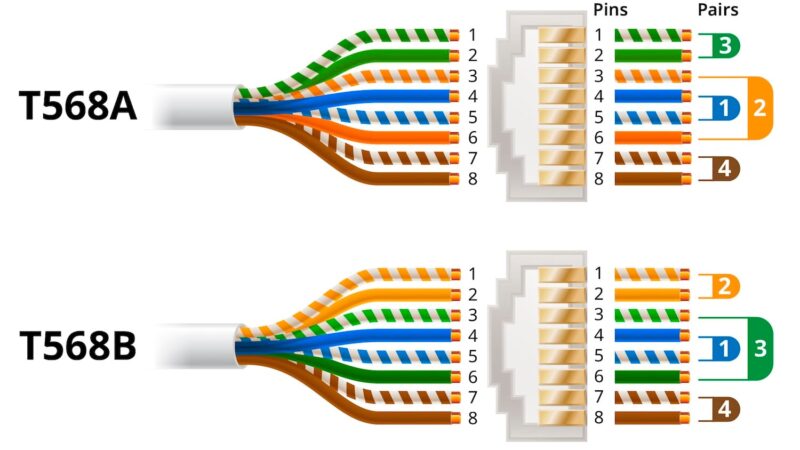
T568A and T568B are two Ethernet wiring standards for RJ-45 connectors. Learn how they differ, when to use each, and which is right for your installation.
Practical guides for everything that keeps your devices connected and running — home networking, routers, cabling, DNS, and the everyday software that makes it all usable. No jargon, no fluff, just what actually works.
Networking
T568A and T568B are two Ethernet wiring standards for RJ-45 connectors. Learn how they differ, when to use each, and which is right for your installation.
 Networking
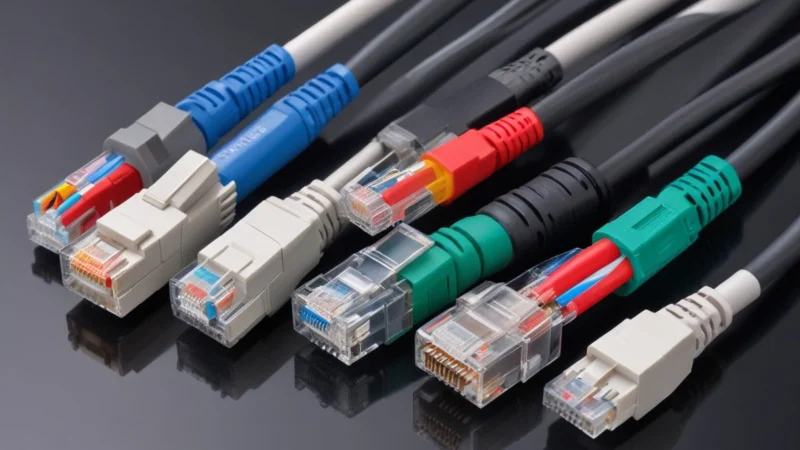
A crossover cable connects two same-type devices directly by reversing the transmit and receive wire pairs. Learn how it works, its uses, and whether you still need one.
 Networking
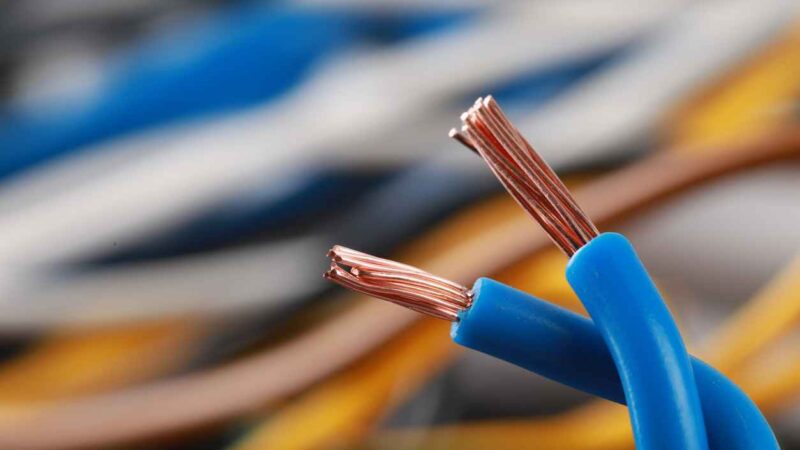
Copper wire is the backbone of wired networking. Learn about its types, advantages over fiber optic, and where it is used in modern networks.
 Networking
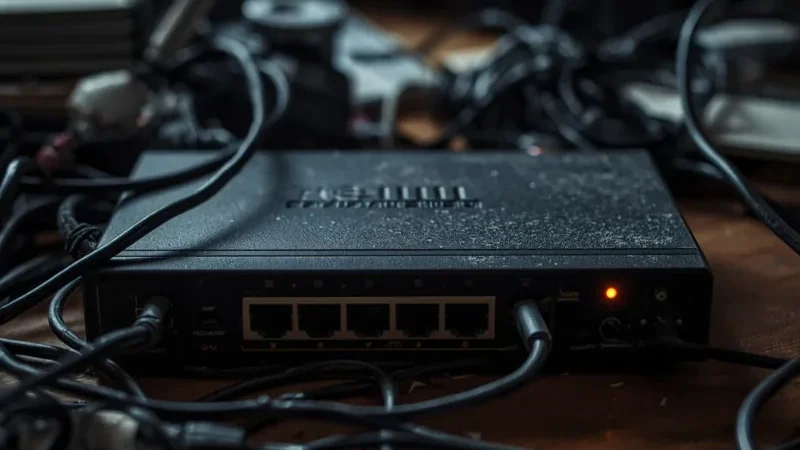
A hub broadcasts data to all devices while a switch sends it only to the intended recipient. Learn the key differences and why switches always win.
 Networking
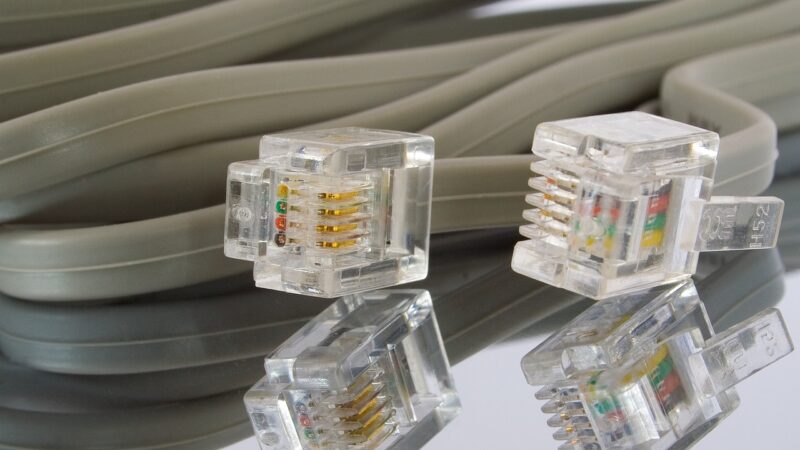
An Ethernet crossover cable connects two same-type devices directly without a switch. Learn how it works, when to use it, and whether you still need one today.
 Networking
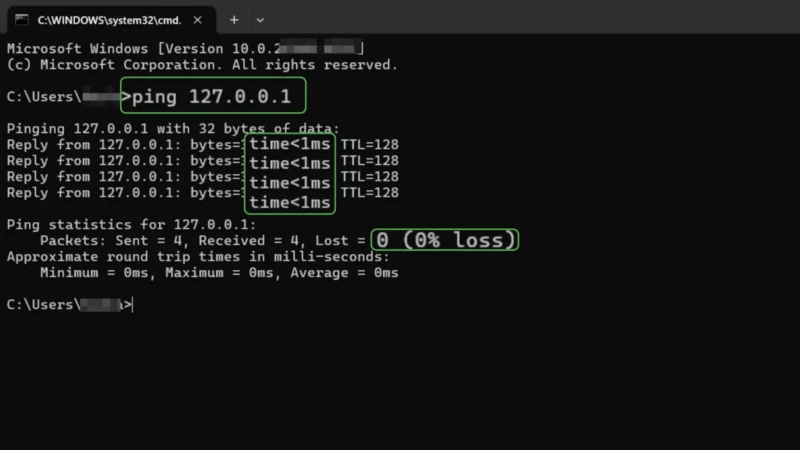
Understand what is a loopback address in simple terms. Learn why 127.0.0.1 exists and how localhost works.
 Chrome
Learn how to clear cache in Chrome in 30 seconds. This guide covers simple steps, faster loading, and fixes for broken pages.
 Networking
Go beyond basic subnetting. Understand how 255.255.255.0 impacts IP allocation, scalability, broadcast traffic, and network planning.
 Networking
What is Ethernet? Learn how Ethernet works, why a wired internet connection is often faster than Wi-Fi, and when it’s the better choice.