
 Networking
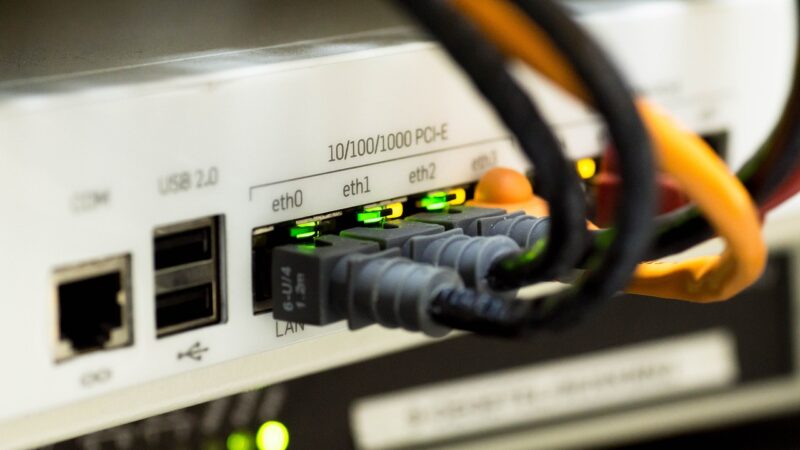
Cat5e vs Cat6: Which Ethernet Cable Should You Use?
cat5e vs cat6: Cat6 supports 10 Gbps up to 55 meters vs Cat5e at 1 Gbps. Compare speed, bandwidth, price, and when to use each cable type.
Networking
cat5e vs cat6: Cat6 supports 10 Gbps up to 55 meters vs Cat5e at 1 Gbps. Compare speed, bandwidth, price, and when to use each cable type.
 Networking
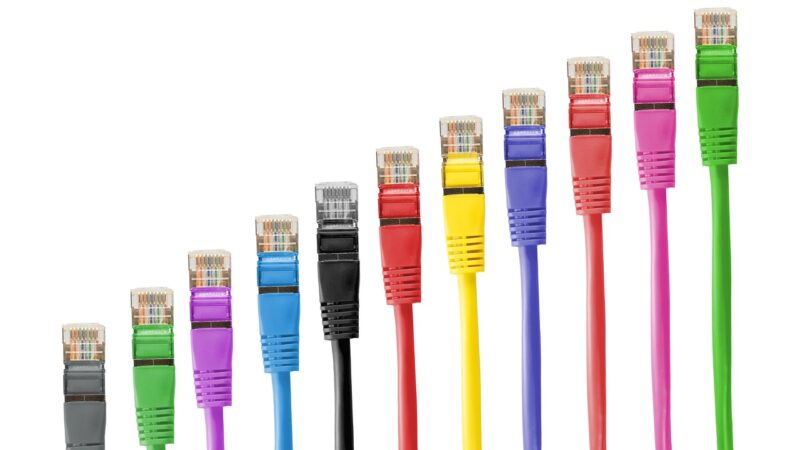
Patch cord: a short pre-made cable used to connect devices to a network. Learn the types, standards, and how patch cords differ from crossover and straight-through cables.
 Networking
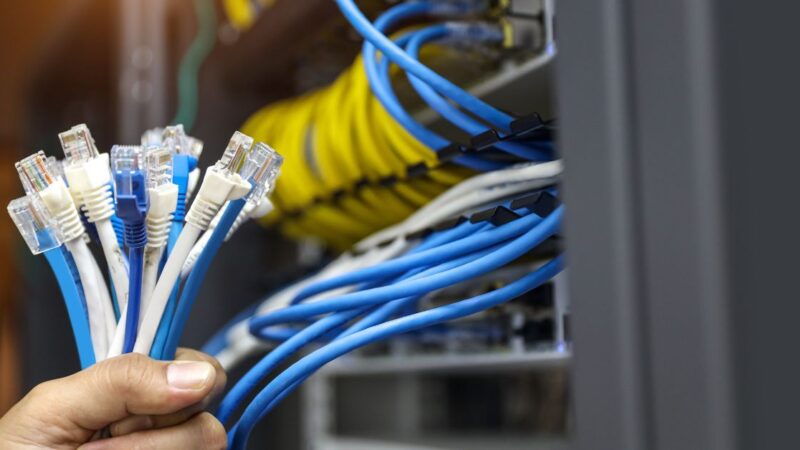
If an Ethernet connection doesn’t work even though everything looks fine, the cable type is often the reason. No lights,…
 Networking
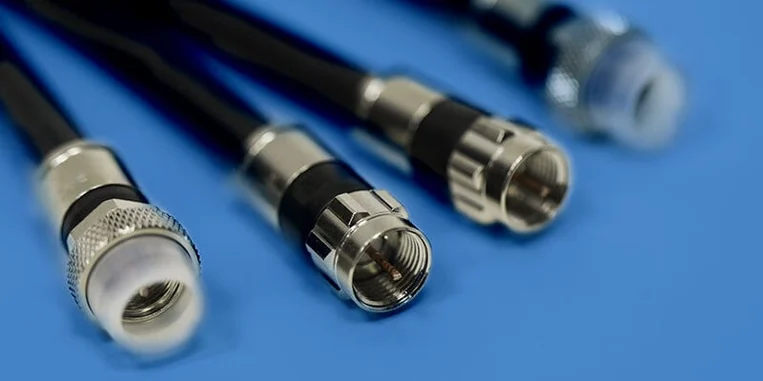
Coaxial cable features a central copper conductor surrounded by insulation and a metallic shield. Learn about its types and uses in networking, TV, and internet.
 Networking
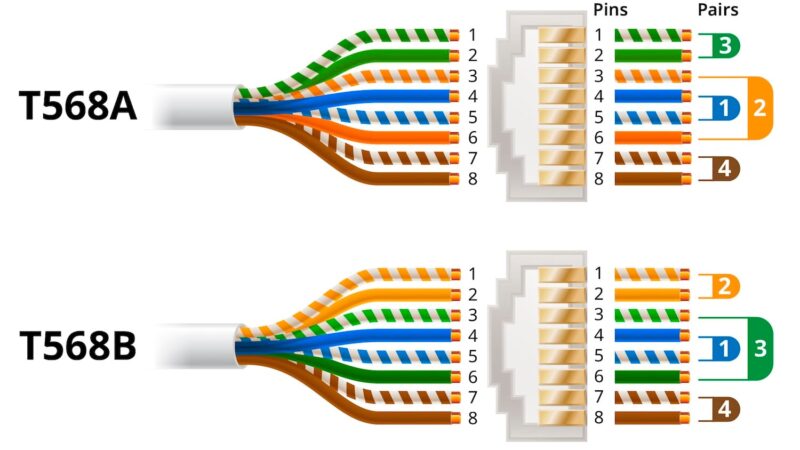
T568A and T568B are two Ethernet wiring standards for RJ-45 connectors. Learn how they differ, when to use each, and which is right for your installation.
 Networking
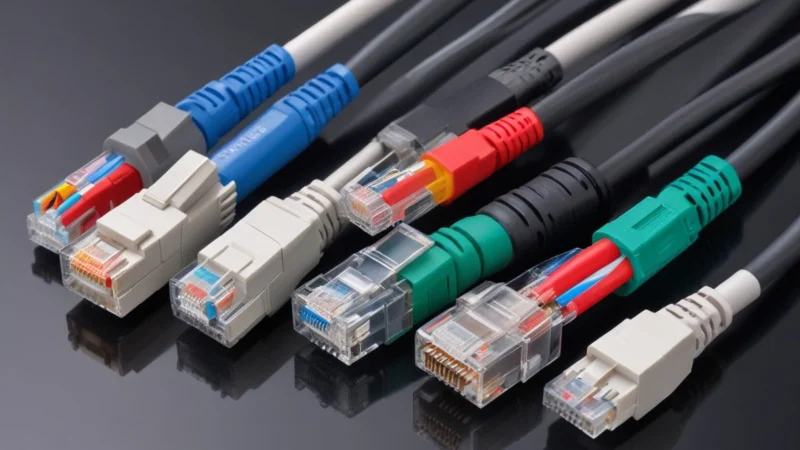
A crossover cable connects two same-type devices directly by reversing the transmit and receive wire pairs. Learn how it works, its uses, and whether you still need one.
 Networking
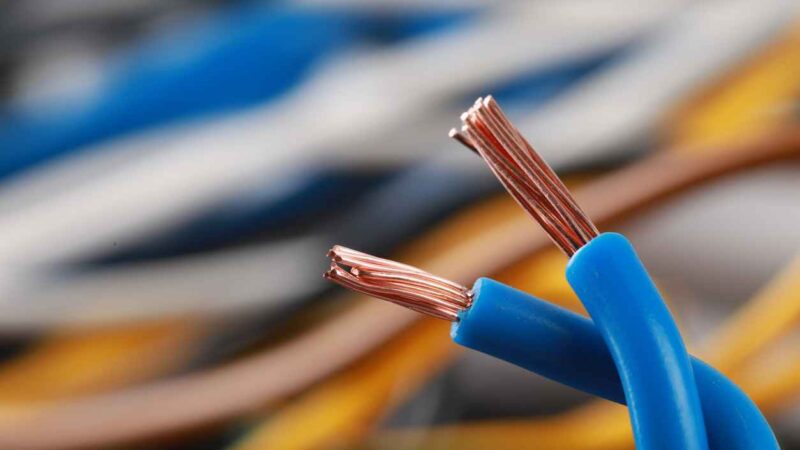
Copper wire is the backbone of wired networking. Learn about its types, advantages over fiber optic, and where it is used in modern networks.
 Networking
Hubs broadcast data to all devices while switches deliver it only to the intended recipient. A detailed technical breakdown of how they differ.
 Networking
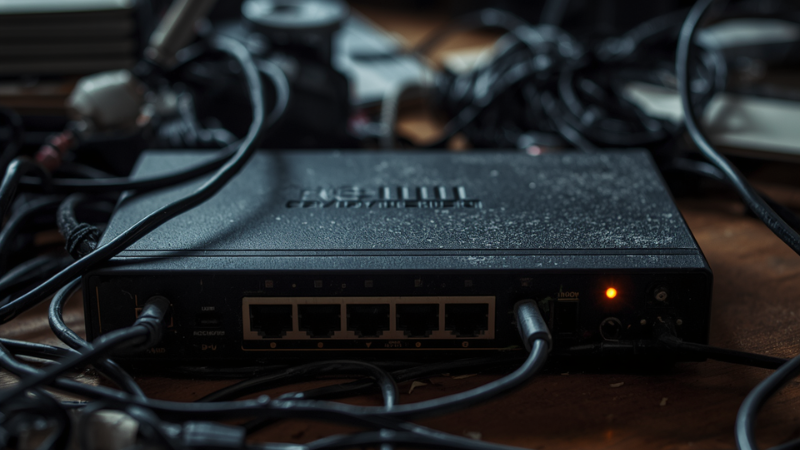
A hub broadcasts data to all devices while a switch sends it only to the intended recipient. Learn the key differences and why switches always win.
 Networking
An Ethernet crossover cable connects two same-type devices directly without a switch. Learn how it works, when to use it, and whether you still need one today.