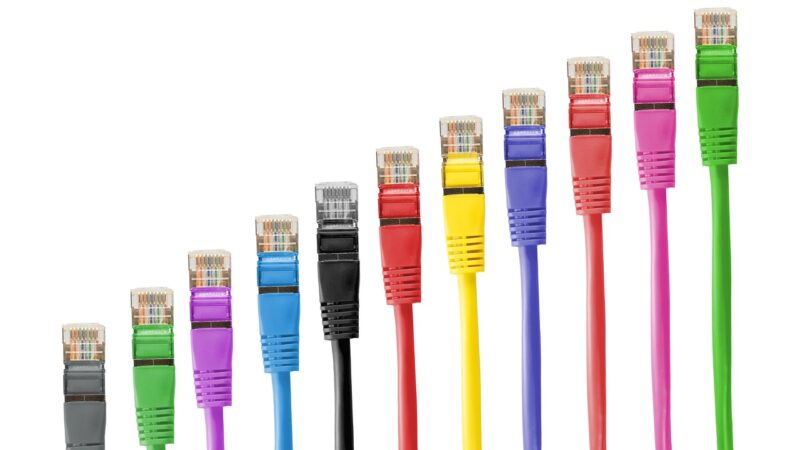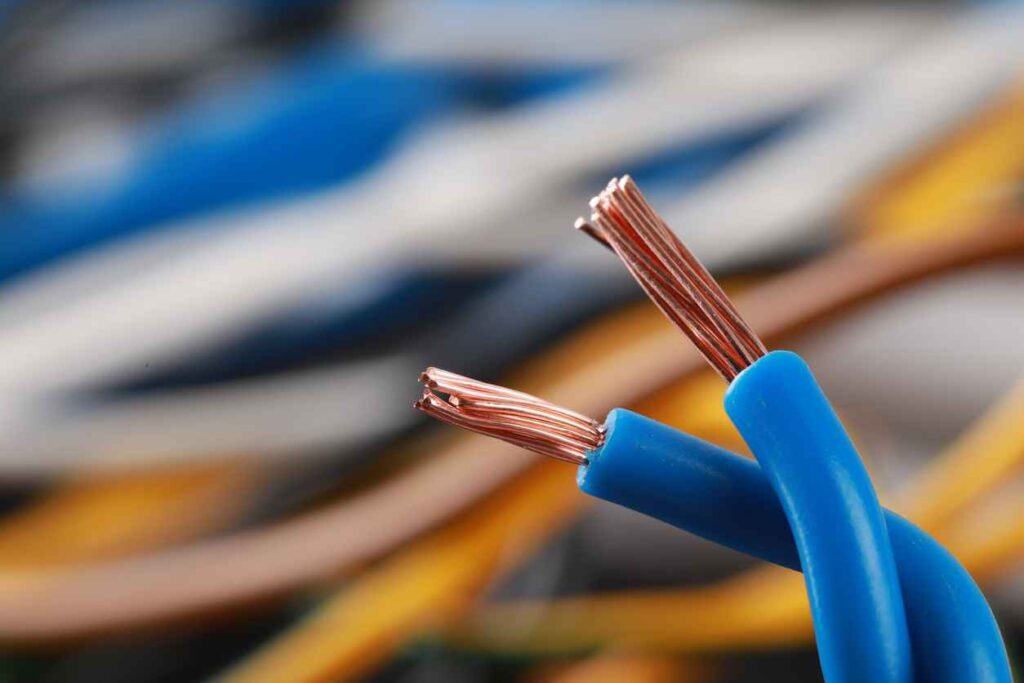
Copper wire has been the foundation of electrical and data communications for over 150 years. In networking, copper wire is the conductor inside twisted pair cables (Cat5e, Cat6, Cat6a) and coaxial cables, carrying electrical signals between devices across a local area network.
Why Copper for Networking?
- High conductivity: Copper is second only to silver, minimizing signal loss over cable runs.
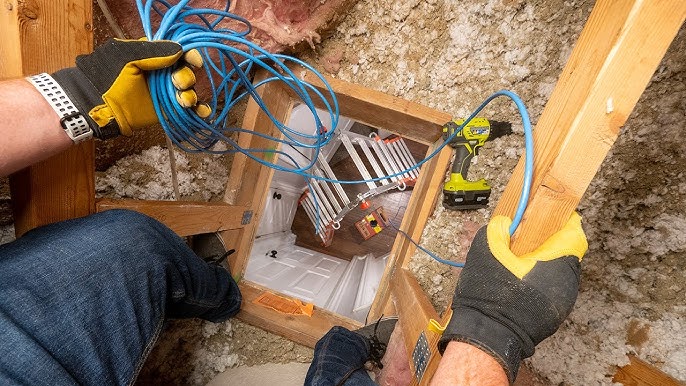
- Flexibility: Copper bends without breaking, ideal for routing through walls, conduits, and patch panels.
- Cost effective: Excellent performance to price ratio compared to alternatives.
- Universal compatibility: All standard RJ-45 connectors, patch panels, and network ports are built for copper.
Types of Copper Wire Used in Networking
Unshielded Twisted Pair (UTP)
The most common network cabling type. Four pairs of copper wires twisted together to reduce EMI. Available as Cat5e, Cat6, Cat6a, Cat7, and Cat8.
Shielded Twisted Pair (STP)
Adds a metallic foil or braid shield around the pairs for high interference environments like factories, hospitals, or areas near heavy electrical equipment.
Coaxial Cable
A single copper conductor at the core, surrounded by insulation, a metallic shield, and an outer jacket. Used in cable TV, broadband internet, and legacy Ethernet standards.
Solid vs. Stranded Copper
- Solid copper: Single thick conductor. Best for permanent wall installations. Less flexible.
- Stranded copper: Multiple thin wires twisted together. More flexible — ideal for patch cables.
Copper vs. Fiber Optic
| Feature | Copper Wire | Fiber Optic |
|---|---|---|
| Signal type | Electrical | Light |
| Max distance | ~100 meters (Cat6) | Several kilometers |
| Max speed | 40 Gbps (Cat8) | 100 Gbps+ |
| EMI susceptibility | Yes | No |
| Cost | Lower | Higher |
| Installation | Simple | More complex |
Conclusion
Copper wire remains dominant in local area networking due to its low cost, ease of installation, and universal compatibility. For most LAN deployments, copper is the practical and cost effective choice.