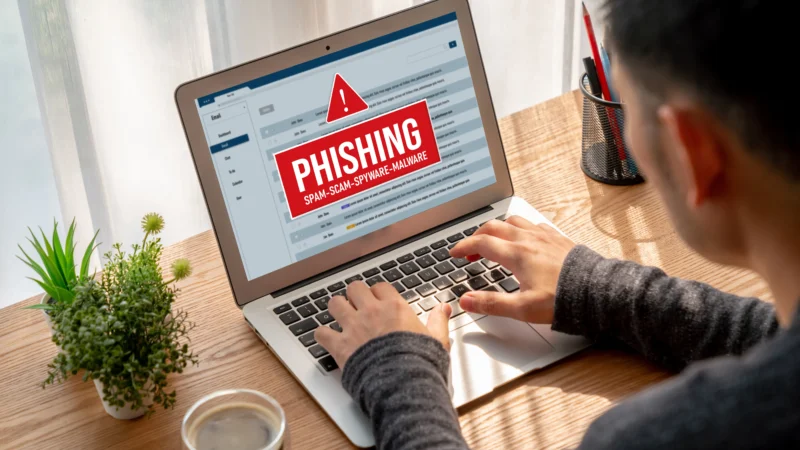
You can no longer rely on simply changing your password occasionally. You will need to rethink your approach to safeguarding your online accounts with a vigilant mindset that requires you to be proactive and adaptable, and implement new anti-fraud protective habits to stay up with technology developments.
Authenticate strong security measures to generate stronger defenses
One of the best ways to improve social media account safety, 2025 users must realize is that strong authentication flows are not optional, they are a must. 21st century attackers demonstrate considerable creativity in their approaches to hack accounts and evade login screens, including testing your reuse of passwords or weak credentials.
A unique and complex password per account is now the starting point minimum standards of behavior, just like you would lock every door of your home instead of using one master key for everything. Multi-factor authentication provides an extra authentication checkpoint, whether it’s a code generated on a device, biometric authentication, or an authenticator app.
If you have password compromise, this extra layer of protection makes unauthorized account access much less likely.
Controlling who has the keys to your digital space
Another element often overlooked is how account access is shared. Social media is often seen as team collaborative activities – work or projects – and the more people with login access, the greater the exposure. Understandably, if someone does not truly require access, protect the account by allowing access to fewer people; limits the access, meaning less chance for it to go awry.
As well, if you use a password manager instead of sharing credentials through unsecure channels, you will not be worried about losing control of sensitive information and you create an expectation of accountability around managing accounts safely.
Building a human firewall through awareness
Technology can only get you so far if you are not aware of the risks associated with using technology. Frequent training, whether formal or self-training can go a long way. The public and fast-paced nature of social media attracts manipulative people and presents numerous opportunities.
Recognizing when the message seems strange or requests seem unusual, is a skill that is developed through practice and conversation. The most effective protection you can provide for your account, is sometimes just the pause between the click of a link or responding to the unrecognizable link. Just approach with a healthy level of skepticism, without paranoia.
It is easy to focus on the social media experience of risk, but there is another side: the devices and connections to social media. Using secure, encrypted connections is essential to minimize risk, especially while traveling and working in public places. Virtual private networks continue to be a good option for encrypting data once it leaves the device.
Starting with the hardware, basic preventative steps are to use device updates and security applications to stay secure, have a strong password protecting the device, and ensure the device is not compromised. If the device is compromised, then so is the account.
Maintaining privacy and awareness of change
Social media platforms are constantly changing and sometimes default privacy settings are changed without any notice. Regularly reviewing privacy settings and making appropriate changes is essential for how personal information and data are controlled. Limiting who can view things online, reporting suspicious accounts, and consistently reviewing login activity are good policy.
Believing that every threat is entirely new is both exciting and dangerous. However, new risks are constantly arising. For instance, Artificial Intelligence can easily be used to create sophisticated, almost real-world imitations of voice, face and written communication.
While there are many applications for this technology, it implies that becoming accepting and unquestioning about even familiar platforms’ interactions is dangerous.
In conclusion
Though a difficult task, the social media security environment in 2025 is multilayered. The fact that the environment is complicated is not an excuse for being overwhelmed; it is a rationale for remaining intentional and informed. Protecting a social media account today involves less of sticking to one plan or list of requirements, and more of developing a flexible mindset, which can adapt as the tools and threats landscape also change.
Every decision made, from password choice to verifying a message’s source, ultimately exists to take precautionary measures towards an overall better defense.
Weighing use of technology with human judgment to inform our online presence, will allow us to effectively protect ourselves as individuals and organizations, while still enjoying the same platforms which make us connected to the world.
More in This Series
If an account has already been compromised, follow the steps in what to do after a phishing attack.